Royal Ascot 2026
30 Giugno, 2026 Published in Events
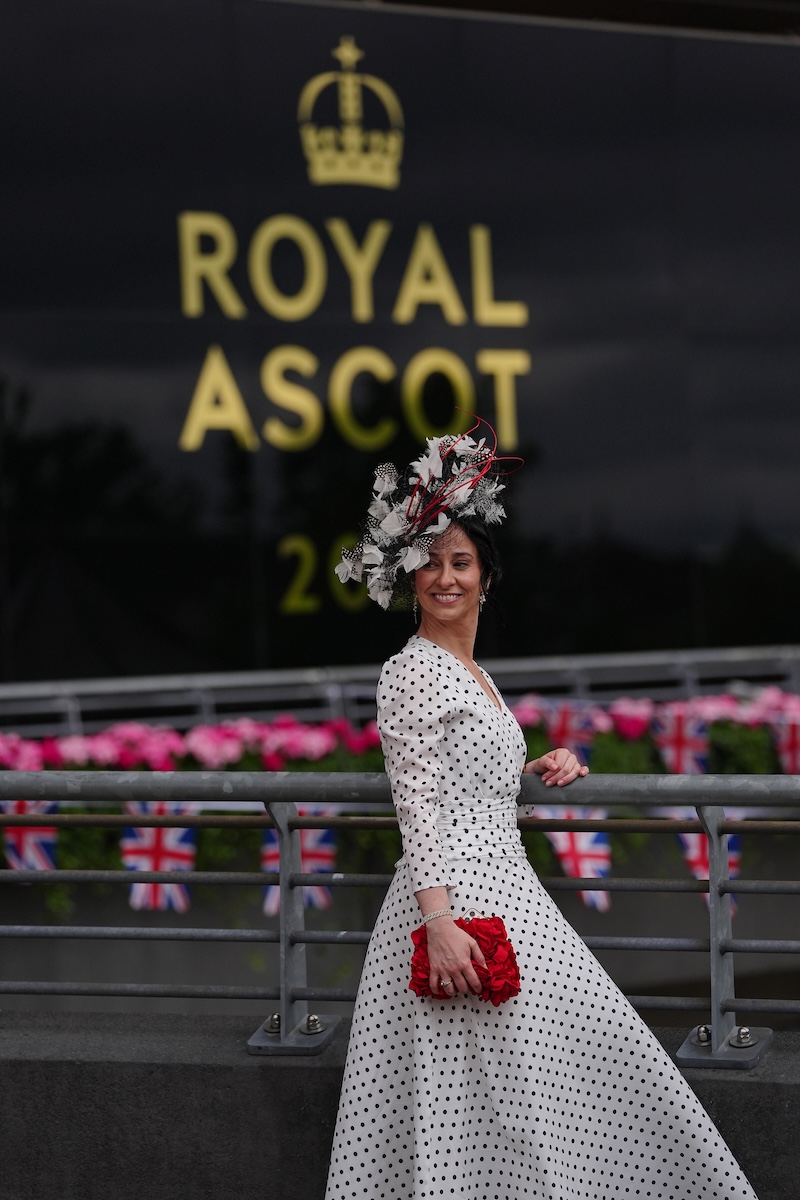
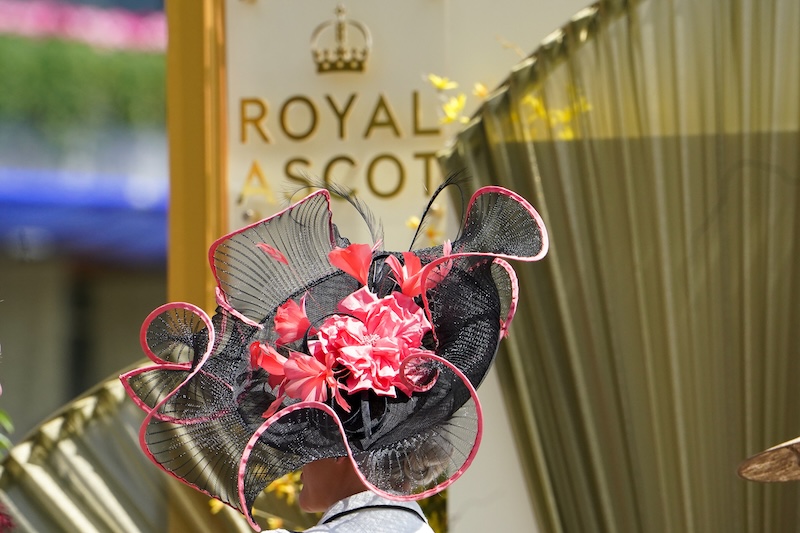
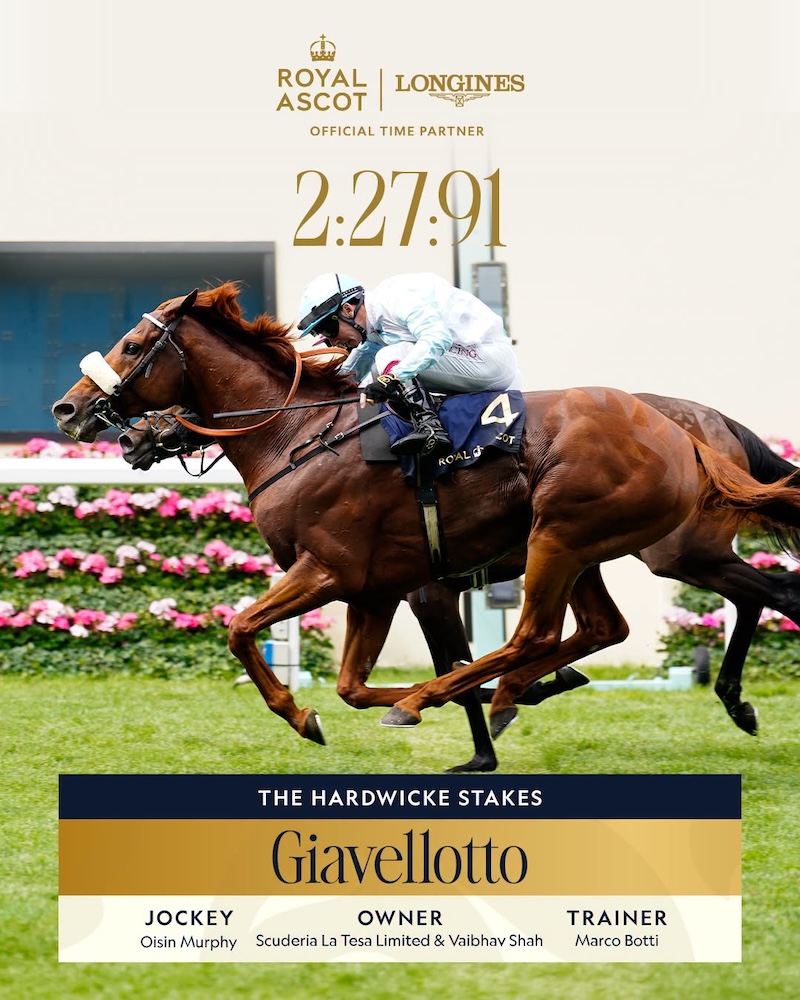
Si è concluso il Royal Ascot, il più iconico e atteso appuntamento equestre dell’anno. Oltre all’eccellenza delle competizioni sportive, questa storica manifestazione è celebre a livello internazionale per il suo fascino senza tempo e per l’inconfondibile eleganza che la contraddistingue. Abiti raffinati, cappelli scenografici e un’atmosfera di impeccabile aristocrazia trasformano ogni edizione in una straordinaria celebrazione dello stile britannico.
Tra le protagoniste più ammirate, Kate Middleton è apparsa luminosa in un sofisticato total look giallo, impreziosito da un elegante cappello con veletta, interpretando con naturalezza il rigido dress code dell’evento.
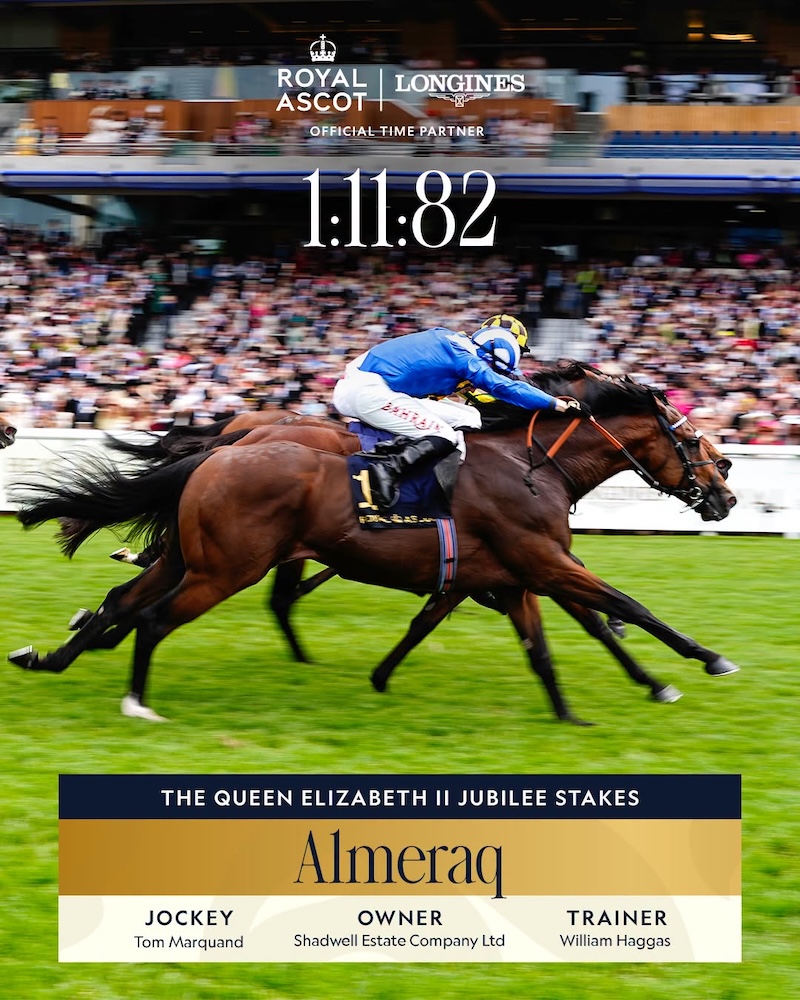
Sul fronte sportivo, l’edizione di quest’anno ha consacrato il successo del trainer Aidan O’Brien e del fantino Ryan Moore, insigniti rispettivamente dei prestigiosi titoli di Leading Trainer e Leading Jockey.
Le origini del Royal Ascot risalgono al 1711, quando la regina Anna intuì il potenziale dell’area di Ascot come sede ideale per le corse dei cavalli. La tradizionale apertura delle gare con la suggestiva sfilata in carrozza della Famiglia Reale venne invece introdotta nel 1825 da re Giorgio IV, dando vita a uno dei rituali più affascinanti della monarchia britannica.
Cuore simbolico della manifestazione è il Royal Enclosure, il recinto più esclusivo del celebre ippodromo. Nato come spazio riservato alla Famiglia Reale e ai suoi ospiti, è oggi accessibile esclusivamente su invito e subordinato al rispetto di un rigoroso codice di abbigliamento. Le sue celebri regole furono codificate nel XIX secolo da George Bryan Brummell, il leggendario dandy inglese che elevò l’eleganza maschile a forma d’arte e al quale viene attribuito il chiacchierato consiglio secondo cui gli stivali dei gentiluomini dovessero essere lucidati con lo champagne.
The Royal Ascot, the year’s most iconic and eagerly anticipated equestrian event, has come to a close. Beyond the excellence of its sporting competitions, this historic occasion is internationally renowned for its timeless charm and unmistakable elegance. Sophisticated attire, spectacular hats, and an atmosphere of impeccable aristocratic refinement make each edition a remarkable celebration of British style.
Among the most admired attendees, Catherine, Princess of Wales, looked radiant in a sophisticated monochromatic yellow ensemble, elegantly complemented by a veiled hat that perfectly embodied the event’s famously strict dress code.
On the sporting front, this year’s meeting crowned trainer Aidan O’Brien and jockey Ryan Moore, who were awarded the prestigious titles of Leading Trainer and Leading Jockey, respectively.
The origins of Royal Ascot date back to 1711, when Queen Anne recognized the potential of Ascot as the ideal venue for horse racing. The tradition of opening the meeting with the magnificent Royal Procession, in which members of the Royal Family arrive in horse-drawn carriages, was introduced in 1825 by King George IV, becoming one of the most cherished ceremonies of the British monarchy.
At the heart of the event lies the Royal Enclosure, the most exclusive area of the famous racecourse. Originally reserved for the British Royal Family and their guests, it remains accessible by invitation only and is governed by an exceptionally strict dress code. Its renowned etiquette was codified in the nineteenth century by George Bryan Brummell, the legendary English dandy who elevated men’s elegance to an art form and is famously credited with the oft-repeated advice that a gentleman’s boots should be polished with champagne.